


The Importance of Credit Repair in 2026 and Why It Matters More Than Ever
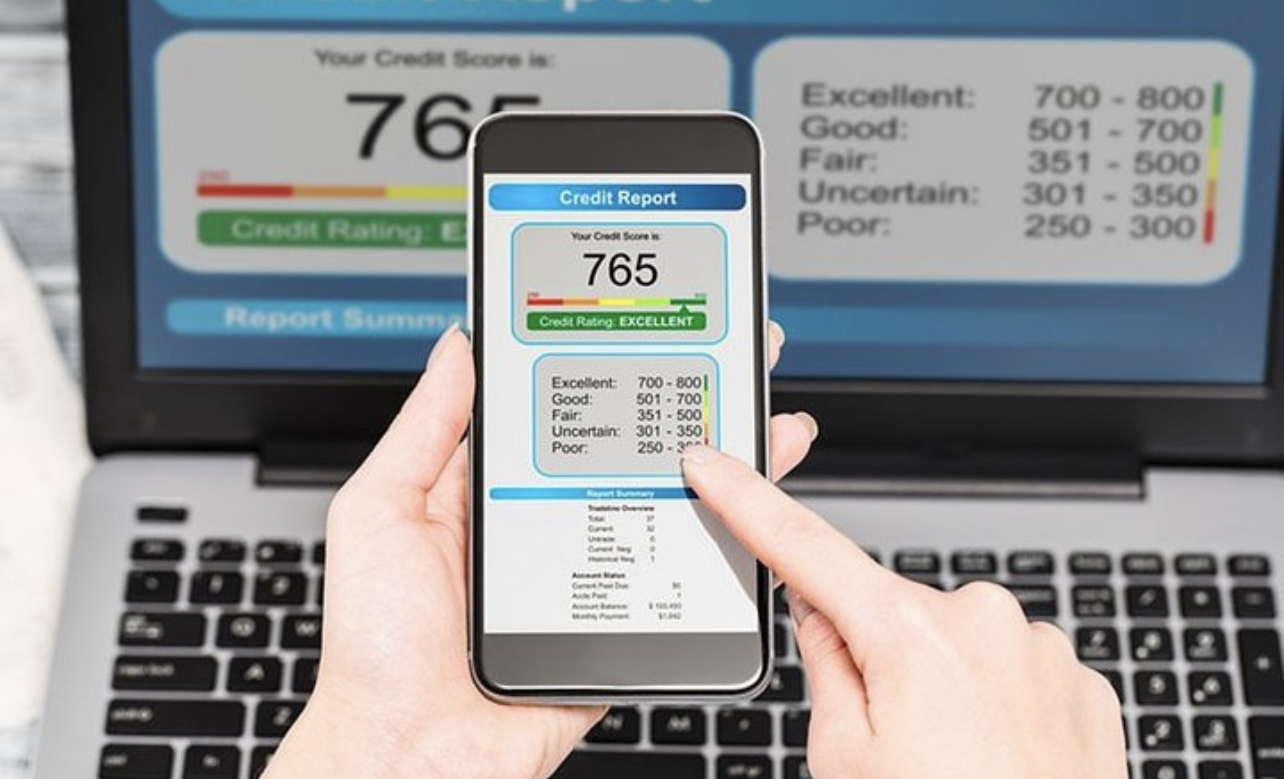
Credit scores have become a key factor in many aspects of life, from securing loans to renting apartments and even landing jobs. As we move further into 2026, the significance of maintaining a good credit score has only increased. This post explains why credit repair matters more than ever this year and offers practical insights on how to approach it effectively.
Why Credit Repair Is Crucial in 2026
The financial landscape is evolving rapidly. New technologies, changing lending standards, and economic shifts have made credit scores more influential. Here are some reasons why credit repair is essential now:
Tighter Lending Criteria
Lenders have become more cautious after recent economic uncertainties. They scrutinize credit reports closely, making it harder to qualify for loans or credit cards without a strong credit history.
Rising Interest Rates
Interest rates have climbed steadily, increasing the cost of borrowing. A better credit score can help secure lower rates, saving thousands over the life of a loan.
Increased Use of Alternative Data
Credit bureaus now consider more than just traditional credit history. Payment histories for utilities, rent, and even subscriptions can impact your score. Repairing credit means addressing these new factors too.
Greater Impact on Employment and Housing
More employers and landlords check credit reports as part of their screening process. A poor credit score can limit job opportunities and housing options.
Common Credit Issues to Address
Understanding what damages credit is the first step in repair. Some common problems include:
Late or Missed Payments
Payment history accounts for 35% of your credit score. Even one missed payment can cause a significant drop.
High Credit Utilization
Using a large portion of your available credit signals risk to lenders. Keeping utilization below 30% is generally advised.
Errors on Credit Reports
Mistakes like incorrect balances or accounts that don’t belong to you can hurt your score. Regularly reviewing your credit report helps catch these errors.
Collections and Charge-Offs
Accounts sent to collections or written off by creditors remain on your report for years and severely impact your score.
Steps to Repair Your Credit in 2026
Repairing credit takes time and effort, but the benefits are worth it. Here’s a clear plan to follow:
Obtain Your Credit Reports
Get free copies from the three major credit bureaus: Experian, Equifax, and TransUnion. Review them carefully for inaccuracies.
Dispute Errors Promptly
If you find mistakes, file disputes with the credit bureaus. Provide documentation to support your claim. The bureaus must investigate within 30 days.
Pay Down Debt Strategically
Focus on reducing balances on credit cards and revolving accounts. Prioritize accounts with the highest interest rates or utilization.
Set Up Payment Reminders
Avoid late payments by scheduling automatic payments or reminders. Consistency improves your payment history over time.
Avoid Opening Too Many New Accounts
Each credit inquiry can lower your score slightly. Only apply for credit when necessary.
Consider Professional Help if Needed
Credit repair companies can assist with disputes and negotiating with creditors. Choose reputable services and understand their fees.
How Credit Repair Benefits You Beyond Loans
Improving your credit score does more than just help with borrowing money. It can:
Lower Insurance Premiums
Many insurers use credit information to set rates. Better credit can mean lower costs.
Increase Negotiating Power
With a strong credit profile, you can negotiate better terms on loans, credit cards, and even utility deposits.
Provide Peace of Mind
Knowing your credit is in good shape reduces stress and opens financial opportunities.
What to Watch for in 2026 and Beyond
The credit system continues to change. Here are trends to keep an eye on:
More Emphasis on Alternative Data
Rent payments, phone bills, and even subscription services may increasingly affect credit scores.
Greater Use of Artificial Intelligence
AI tools will analyze credit behavior more deeply, potentially changing how scores are calculated.
Increased Consumer Protections
New laws may make it easier to dispute errors and limit unfair reporting.
Staying informed and proactive about your credit will help you adapt to these changes.


Comentarios